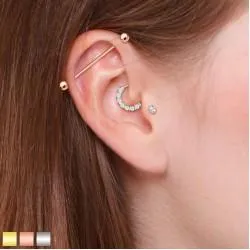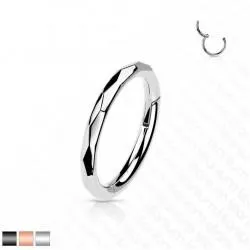
Ear piercing jewellery
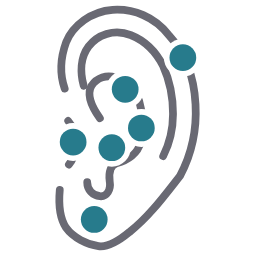 Ear jewellery by area — lobe, helix, tragus, conch, rook, daith, flat, industrial. 60 models in stock.
Choose the ear zone
Each zone needs its own jewellery type and size.
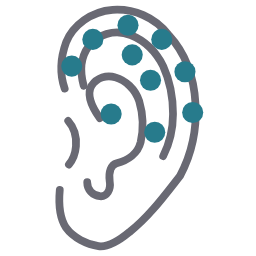 Cartilage piercing60 models in stock
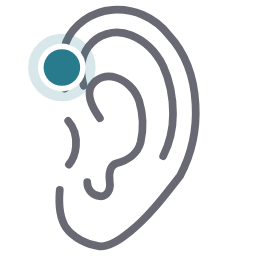 Forward helix piercing27 models in stock
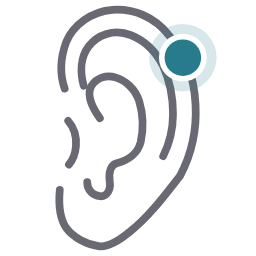 Helix59 models in stock
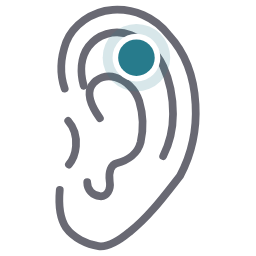 Flat piercing23 models in stock
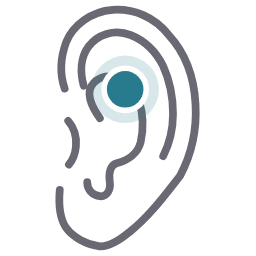 Rook piercing31 models in stock
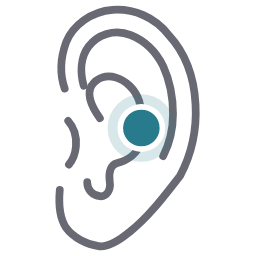 Snug piercing14 models in stock
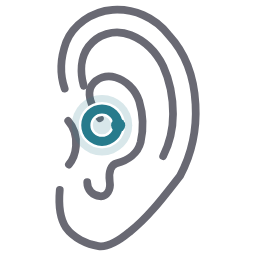 Daith piercing16 models in stock
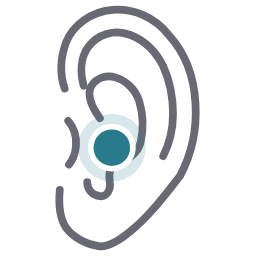 Conch Piercing36 models in stock
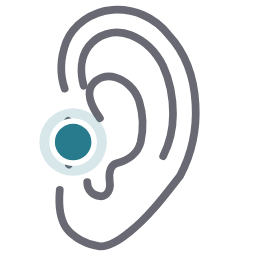 Tragus piercing52 models in stock
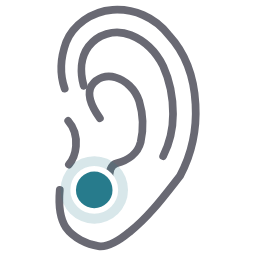 Anti-tragus piercing27 models in stock
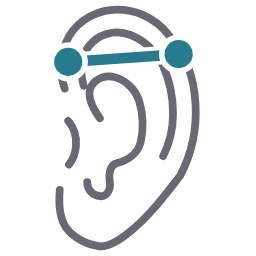 Industrial5 models in stock
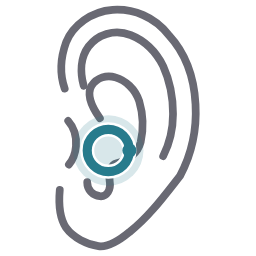 Orbital piercing26 models in stock
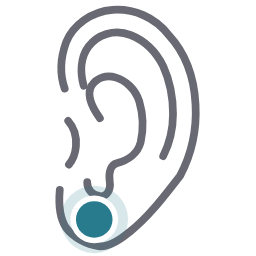 Lobe piercing39 models in stock
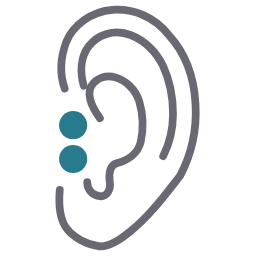 Vertical tragus piercing3 models in stock
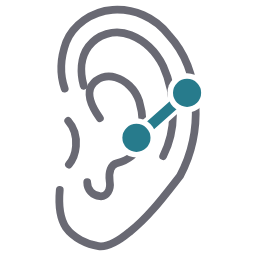 Ragnar piercing7 models in stock
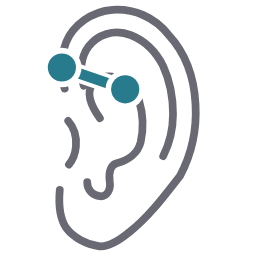 UFO piercing25 models in stock
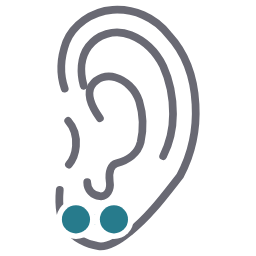 Transverse lobe piercing6 models in stock
Which shape fits for the ear
Each name opens exactly those.
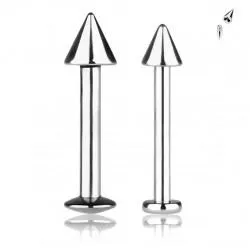
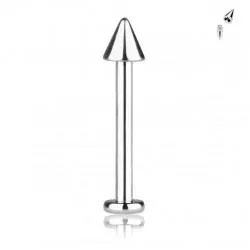
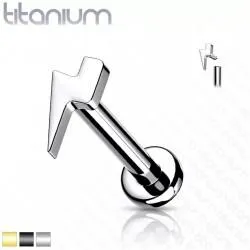
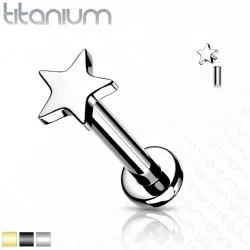
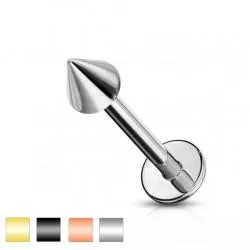
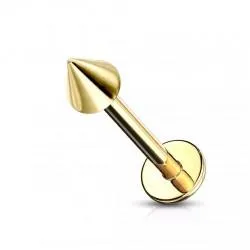
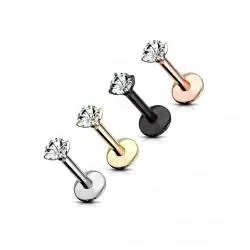
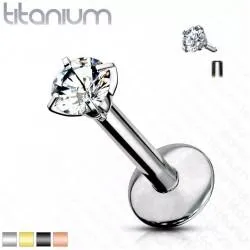
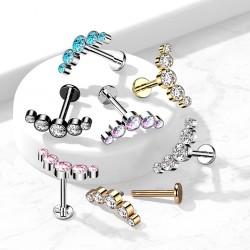
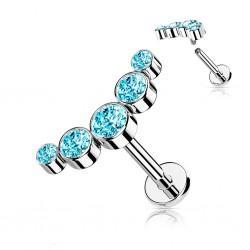
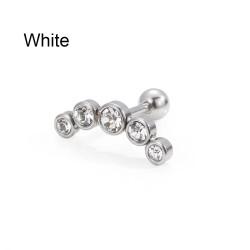
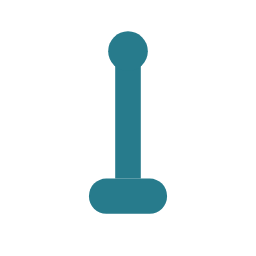 Labret21 models in stock · the flat back does not press into the pillow
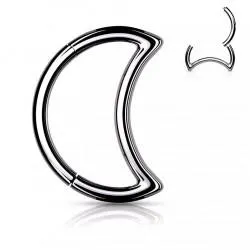
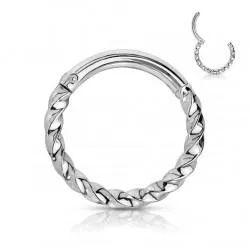
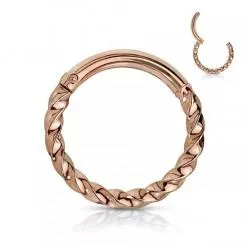
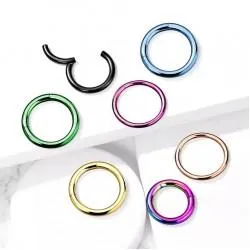
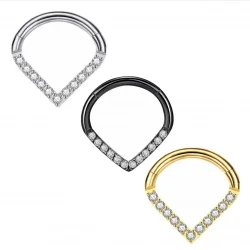
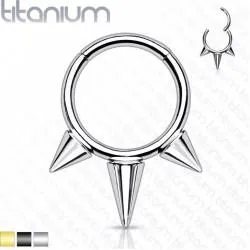
 Clicker14 models in stock · in healed cartilage a lock cannot unscrew the way a threaded ball can
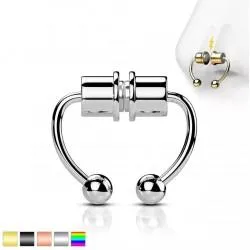
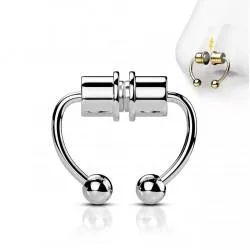
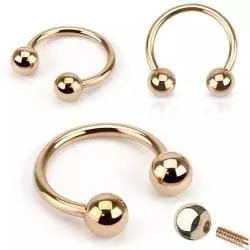
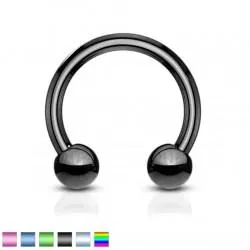
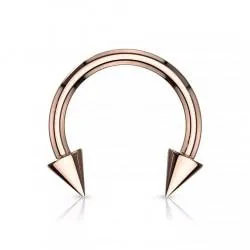
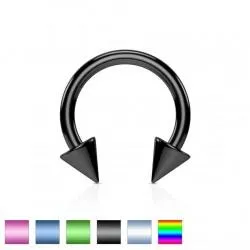
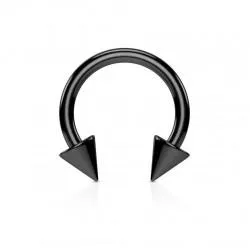
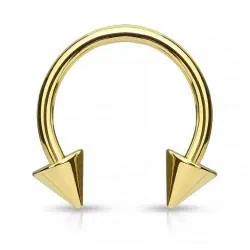
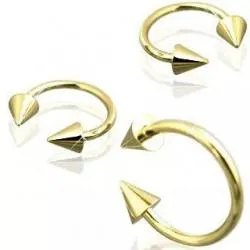
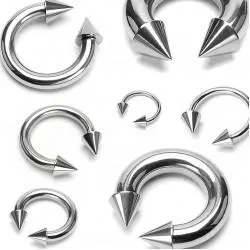
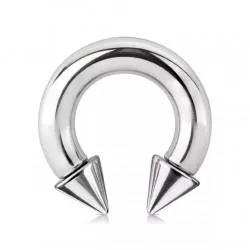
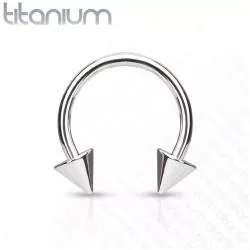
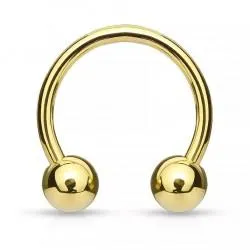
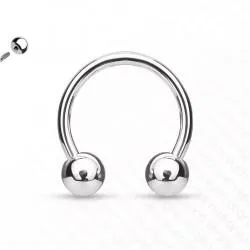
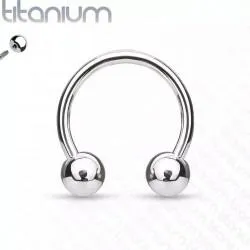
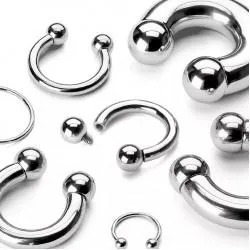
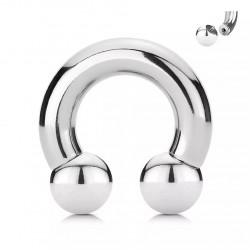
 Circular barbell13 models in stock · horseshoe — both balls visible, easier than a ring
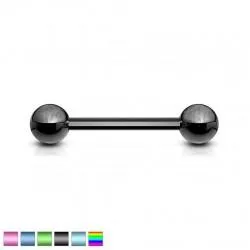
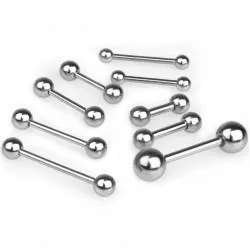
 Straight barbell7 models in stock · a straight barbell with two removable ends
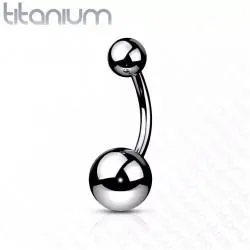
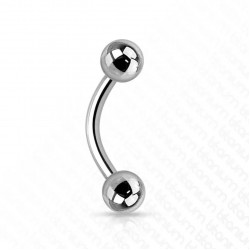
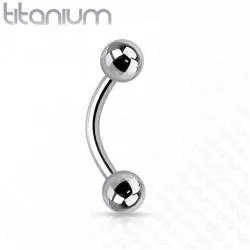
 Banana barbell3 models in stock · a curved barbell — for piercings whose channel runs in an arc
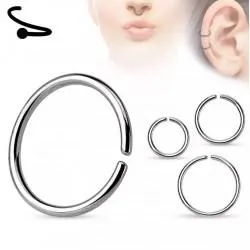
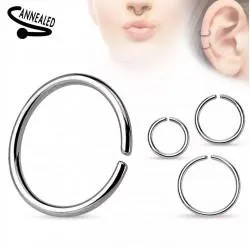
 Ring2 models in stock · a ring with no lock — twist the halves apart, never bend them open
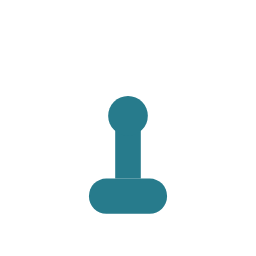 Micro labret2 models in stock · a shortened labret for a snug fit
Titanium or steel for the ear
The material decides how the piercing heals.

Ready-made selections
Already filtered by one parameter.
Cartilage is not the lobe
A lobe piercing is soft tissue and settles in 6–8 weeks. Every other area on this page is cartilage, which has a poor blood supply and commonly takes 6–12 months. The practical consequence: do not change cartilage jewellery early, and do not sleep on it.
Which shape where
Labrets and small hoops suit tight spots — tragus, flat, forward helix. Hoops of 8–10 mm suit the helix and the conch. Rook and daith sit in a fold and take a curved bar or a small ring.
Material
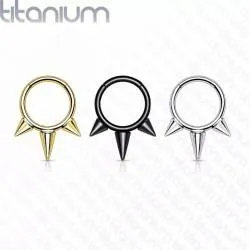
Titanium contains no nickel at all, which is why it is the default for a fresh piercing and for skin that reacts. Steel is a reasonable choice once the channel has healed.
Size and material
| Material | Titanium — 32 models. Contains no nickel, so it causes no reaction even in a fresh piercing. Lighter than steel — less load on the tissue. The material of first choice. 316L steel — 28 models. Cheaper, corrosion-resistant, suitable for a healed piercing. For the first jewellery titanium is the better choice. |
|---|---|
| Thickness | 1.2 mm — 45 models, 1 mm — 8 models, 0.8 mm — 3 models, 1.6 mm — 1 model. The thickness must match the one the piercing was made with. |
| Bar length | 6 mm — 40 models, 8 mm — 39 models, 10 mm — 29 models, 12 mm — 12 models. A longer bar is needed while the swelling lasts, a shorter one — for a healed piercing. |
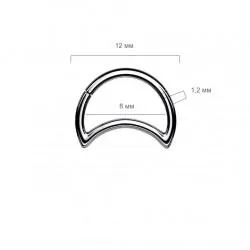
| Ring diameter | 8 mm — 25 models, 10 mm — 21 models, 12 mm — 14 models, 6 mm — 9 models. A smaller diameter sits tighter, a bigger one — looser and more visible. |
| Thread | External — 22 models, Internal — 19 models, Threadless — 15 models. An internal thread is hidden inside the bar — it does not scratch the channel when changing. |
| Insert | None — 19 models, Cubic zirconia — 14 models, Synthetic opal — 2 models. |
FAQ
Which size should I choose?
The typical size for this zone is 1.2 mm for cartilage, 1–1.2 mm for the lobe. Jewellery smaller than needed presses on the channel, bigger — catches on clothes and hair. The exact size of each model is given on its page.
How long does an ear piercing take to heal?
The lobe heals in 6–8 weeks, cartilage — from 6 months to a year. Do not rush to change jewellery in cartilage: premature changes cause most bumps.
Why is titanium better than steel?
Titanium is about half the weight and contains no nickel. 316L steel is also fit for wearing, but there is nickel in it, and people sensitive to nickel feel it. For a fresh piercing titanium is the safer choice.
Can titanium be worn all the time?
Yes. Titanium does not oxidise in contact with lymph and does not change colour, so it is not taken off at night or in the shower. The jewellery is worth removing only for cleaning — and only from a healed piercing: a fresh channel is not left empty.
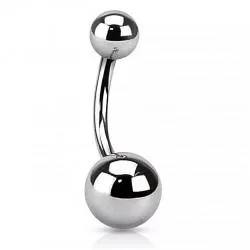



















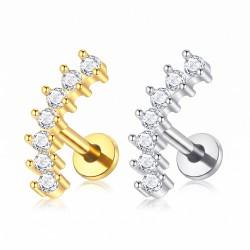
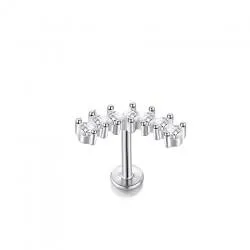


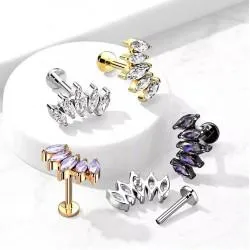
-250x250.jpg "Labret earring made of steel with wrap-cluster and cubic zirconia PiercedFish LSIL01 for piercing of ear cartilage, helix, tragus, lips (Monroe, Medusa) (1 pc)")